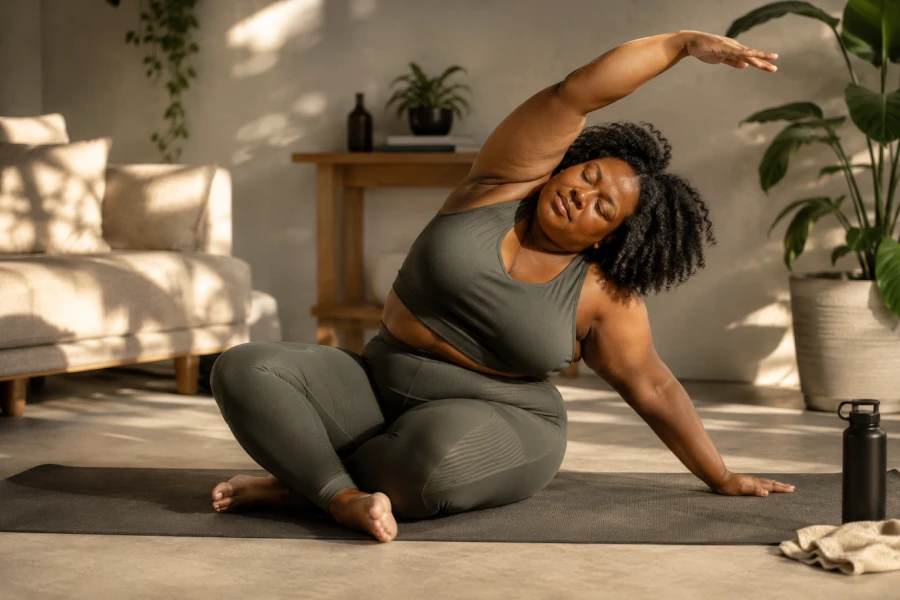
Stretching routines to improve flexibility work best when they fit ordinary life. Long sessions can feel impressive, yet they are difficult to repeat consistently. Shorter practice often creates better momentum because the starting barrier remains low. Your body also responds to frequency, patience, breathing, and appropriate intensity. Forcing range usually adds tension instead of creating useful movement. A sustainable routine begins with positions you can control comfortably today. It then develops through gradual exposure rather than dramatic daily challenges. Recovery, hydration, sleep, and strength all influence how movement feels. Pain, injury, or medical concerns deserve qualified professional guidance before experimentation. The most effective plan is the one you can practice without dreading it.
Flexibility changes through repeated signals rather than one unusually intense session. Practicing several times weekly helps movements feel more familiar and less guarded. Consistency also makes it easier to notice subtle progress in comfort. Ten focused minutes can create more value than an occasional exhausting hour. Link practice to an existing cue, such as waking or finishing work. Keep equipment visible so preparation does not become another excuse. A beginner stretching schedule can provide structure while leaving room for recovery. Missed sessions should lead to adjustment, not punishment or overcompensation. Resume with the next planned opportunity at a manageable intensity. A calm rhythm builds trust between your intentions and your body.
Your routine should reflect daily posture, activities, goals, and current limitations. Desk workers may prioritize hips, chest, shoulders, and the backs of legs. Runners often need balanced attention across calves, hips, and hamstrings. Strength training may create different areas of tightness depending on exercise selection. Begin with a brief body scan before deciding where to focus. Compare sides gently without demanding perfect symmetry. Use full body mobility exercises when several regions feel restricted at once. Include movements that feel useful rather than collecting endless new variations. A smaller sequence becomes easier to learn and refine. Personal relevance turns stretching from random activity into purposeful practice.
Intensity should feel noticeable but controlled, never sharp, alarming, or unstable. Breathe slowly enough to reduce unnecessary gripping around the position. Enter the stretch gradually and leave it with equal control. Avoid bouncing unless a qualified program specifically teaches dynamic movement. Props can bring the floor closer and reduce strain. Bend knees when straight legs cause the back to round aggressively. Practicing safe flexibility techniques protects consistency because discomfort does not become frightening. Progress may appear as easier breathing before visible range changes. Stop when numbness, tingling, or sharp pain develops. Respecting limits today creates better conditions for movement tomorrow.
Breathing changes the experience of stretching even when the position stays identical. A slow exhale can reduce bracing and make space feel more available. Holding breath often signals that intensity has exceeded a useful level. Try inhaling before movement and exhaling as you settle gently. Keep the face, jaw, hands, and shoulders relaxed whenever possible. Counting breaths provides a simple alternative to watching a timer. Use breathing for deeper stretches without chasing dramatic range on each exhale. The breath should support attention rather than become another rigid rule. Return to normal breathing if counting creates tension or dizziness. Calm respiration helps the session feel restorative instead of competitive.
A weekly plan can include different durations without losing coherence. Use five minutes on crowded days and longer sessions when time allows. Morning practice may focus on gentle movement rather than deep holds. Midday sessions can reverse repetitive desk posture and refresh attention. Evening stretching often suits slower breathing and lower intensity. Keep one complete rest day when your body needs it. Rotate body regions if full routines feel unrealistic every session. Combine stretching with workouts carefully so fatigue does not reduce control. Schedule the easiest version first, then add time when capacity remains. Flexibility grows through accumulated practice, not a perfect calendar.
Progress can appear in comfort, control, posture, or reduced resistance during movement. Photos may help, but they can also encourage comparison and forcing. Consider tracking how a familiar position feels each week. Note breathing quality, symmetry, and the ease of entering the shape. Use the same warm-up when comparing range across different days. Hormones, sleep, stress, and temperature can change performance temporarily. Judge trends across weeks rather than reacting to one stiff session. Celebrate improved consistency as seriously as a deeper position. Avoid comparing your range with bodies built differently from yours. Useful tracking creates information while preserving respect for the process.
Begin with slow shoulder circles and an easy standing side reach. Move into a supported hip hinge with softly bent knees. Follow with a low lunge using blocks or a chair. Add a gentle seated twist without pulling yourself deeper. Stretch the chest against a wall while keeping the ribs controlled. Finish with calf work and relaxed ankle circles. Hold each position for several comfortable breaths rather than chasing time. Repeat a movement when one side clearly needs more attention. End standing or lying down until breathing feels settled. This sequence can become a foundation that changes with experience.



Leave a comment