
A morning flexibility routine can make waking feel less abrupt and mechanical. Overnight stillness often leaves hips, shoulders, and the spine feeling temporarily restricted. Gentle movement helps you explore that stiffness without treating it as failure. The goal is not to reach your deepest positions before breakfast. Instead, you are creating warmth, circulation, awareness, and an easier transition. A short sequence can also become a calm boundary before notifications begin. Consistency matters more than performing a large number of exercises. Your morning energy will vary, so the routine should have several versions. Pain or unusual symptoms deserve professional attention rather than aggressive stretching. Start softly and let the body tell you what comes next.
The best sequence begins with a realistic understanding of your mornings. Choose a duration that still works when you wake later than planned. Five dependable minutes often outperform a twenty-minute routine you regularly skip. Place a mat or towel where it remains visible. Wear sleep clothes that allow comfortable movement if changing creates friction. Keep the first exercise simple enough to begin while still sleepy. A gentle morning mobility flow should feel inviting rather than demanding. Use the same opening movement for several weeks to build familiarity. Add variety only after the basic rhythm feels automatic. Repetition creates a reliable cue that the day has started.
Tissues and joints may feel different immediately after waking than later. Begin with smaller ranges before entering longer or deeper positions. Circular motions often feel friendlier than static holds at first. Move the neck, wrists, ankles, and shoulders without forcing end range. Then introduce the spine through gentle flexion, extension, and rotation. Keep movements smooth enough to notice where resistance begins. Using wake up stretching exercises can prepare the body without creating unnecessary strain. Save intense flexibility work for a better-warmed session when appropriate. Morning stiffness usually responds better to patience than pressure. A gradual start makes the routine easier to enjoy tomorrow.
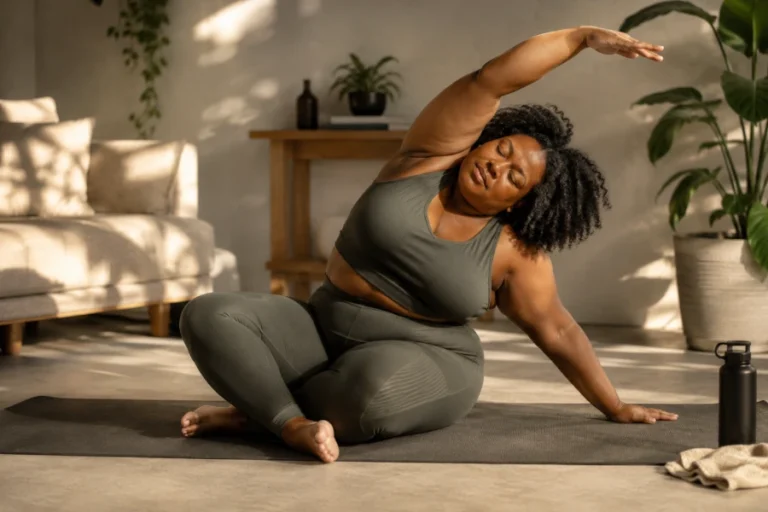
Begin on your back with knees bent and feet resting comfortably. Let the knees sway slowly from side to side. Draw one knee toward the chest without lifting the opposite hip. Switch sides and compare sensations without judging the difference. Roll carefully to hands and knees for a relaxed spinal wave. Step one foot forward into a supported low lunge. A hip opening morning sequence can reduce the feeling of being folded after sleep. Keep the front knee stable and shorten the stance when needed. Finish with a gentle standing fold using bent knees. Rise slowly so the transition does not create dizziness.
Morning breathing can reveal whether you are rushing before the day begins. Inhale through the nose when comfortable and allow the ribs to expand. Exhale slowly while releasing unnecessary tension in the jaw and shoulders. Match movement to breath only when the coordination feels natural. Otherwise, breathe continuously and let motion find its own pace. Avoid long breath holds that create strain or lightheadedness. Practicing mindful stretching at home adds attention without requiring a formal meditation. Notice temperature, contact with the floor, and changes between sides. This awareness makes simple movements feel more specific and useful. A calm breath gives the routine an emotional benefit beyond range.
Some mornings call for less movement, not complete abandonment of the habit. Create a two-minute version for illness recovery, poor sleep, or heavy fatigue. Stay in bed and use ankle circles, knee sways, and gentle reaches. Sit on the edge of the bed for shoulder rolls and side bends. Skip positions that create dizziness, pain, or unusual weakness. A reduced routine still preserves the cue and supports continuity. Avoid using exercise to punish yourself for sleeping late. Rest may offer more value than completing the full sequence. Return to longer practice when energy and comfort improve. Flexibility habits become durable when they include compassionate alternatives.
Use the routine to notice what your schedule may demand physically. A long drive might call for extra hip and chest movement. A standing shift may benefit from ankle, calf, and back preparation. Training days require enough mobility without creating fatigue before exercise. Travel mornings need compact positions that work in limited space. Let the sequence respond to context instead of remaining completely fixed. This practical adjustment keeps the habit relevant across changing weeks. Choose one area that deserves attention and one movement you enjoy. End with a posture that feels steady and awake. The routine should prepare you for life rather than becoming separate from it.
Practice the same five-minute sequence for one full week. Begin at roughly the same point in your morning routine. Rate stiffness before and after using a simple personal scale. Note whether the sequence affects energy, mood, or willingness to move later. Keep the exercises unchanged so the experience becomes easier to compare. Shorten the practice when necessary instead of skipping automatically. Avoid testing maximum range at the end of each session. On day seven, identify which movements felt most useful. Remove anything that consistently felt awkward or unnecessary. Build the next week around what your body and schedule actually supported.



Leave a comment